

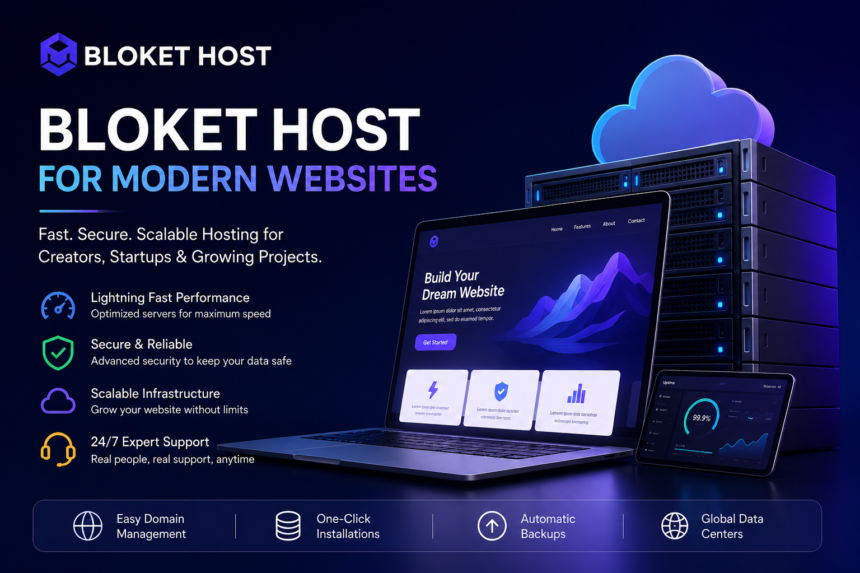
Built for How Modern Websites Actually Work
Websites today aren’t just “pages” anymore. They behave more like applications, pulling in data, handling users, and updating in real time. That shift changes what hosting needs to do.
This setup is built with that in mind. It focuses on speed, stability, and compatibility with modern frameworks without forcing users into complicated server management.
What stands out most is how little friction there is. You don’t feel like you’re constantly fighting the backend just to keep things running. It stays out of the way so the actual work, building and publishing, can move faster.
A Simpler Way to Manage Everything
Most beginners don’t struggle with websites themselves. They struggle with the setup process. Dashboards, servers, settings… it quickly becomes messy.
This approach removes a lot of that friction. Instead of jumping between technical menus, everything is kept in a more direct layout where basic tasks are easy to find and use. Some everyday tasks feel much lighter here:
- Connecting a domain doesn’t feel complicated
- Uploading files is straightforward
- Settings are not buried deep in menus
- No coding needed for basic setup steps
- The system feels familiar within minutes
Built With Growing Projects in Mind
Startups rarely stay stable for long. One month traffic is low, the next month it spikes without warning. That’s where rigid hosting setups usually fail.
This system is built to adjust as things change. You’re not locked into a fixed environment that breaks when your project grows. Instead, it shifts resources based on demand, so scaling doesn’t turn into a migration headache. It works particularly well for early-stage products, SaaS ideas, and online stores that expect unpredictable traffic patterns.
Designed for Creators, Not Just Developers
Creators care about one thing more than anything else: performance that doesn’t get in the way. If a page loads slowly, people leave. Simple as that.
This hosting environment is tuned for content-heavy websites, whether that’s blogs, portfolios, or media pages. Images, videos, and dynamic content load more smoothly because the system is optimised around delivery, not just storage. It doesn’t try to over-engineer things. It just keeps performance steady.
Speed That Feels Consistent
A fast website once in a while isn’t enough. What matters is consistency. This setup reduces unnecessary load on the server side and keeps response times stable. Caching is handled in a way that supports repeat visitors instead of slowing things down with every new request. The result is simple: pages feel responsive more often, not just under ideal conditions.
Deploying Without Delay
Normally, publishing updates or launching a site involves too many steps. Upload, configure, test, fix, repeat. Here, deployment is simplified so changes can go live much faster. It’s especially helpful for developers who iterate often or creators who update content regularly. You don’t feel like publishing is a “process” anymore. It becomes closer to a single action.
Resource Handling That Adjusts Automatically
Traffic is unpredictable. A blog post can go unnoticed for weeks and then suddenly spike overnight.
Instead of forcing manual adjustments, the system reacts in real time. Resources shift based on actual usage, which helps keep performance stable even when demand changes quickly. You don’t have to monitor it constantly, which is often the real relief here.
Security Without Extra Setup
Security is usually something people postpone until something goes wrong. This setup includes baseline protection by default. It helps reduce common risks like unauthorised access attempts and basic attacks without requiring third-party tools or complex configuration.
It’s not about being over-secure or complicated. It’s about having sensible protection already in place.
Moving From Another Host Without Stress
Migration is usually where most hesitation comes in. People worry about downtime or broken files.
This system makes that transition smoother. Files, databases, and configurations can be transferred without disrupting the live site for long periods. It removes a lot of the uncertainty that normally comes with switching providers.
Built for What Comes Next
Web technologies change fast. What works today might not be standard a few years from now. This hosting environment is designed to stay flexible with those changes. It supports modern tools, API-driven setups, and cloud-based workflows so projects don’t feel outdated quickly. It’s less about locking you into one system and more about staying adaptable.
Where It Actually Gets Used
In real-world use, it fits into quite a few different setups:
- Personal blogs and content sites
- Startup MVPs and SaaS platforms
- Portfolio websites for professionals
- Small to mid-sized online stores
- Agency projects and landing pages
It’s not limited to one type of user, which is usually why people stick with it.
What Daily Performance Feels Like
The real difference shows up in daily use rather than technical specs. Pages load steadily. Downtime isn’t something you think about often. And the overall experience feels predictable, which matters more than peak performance numbers. For SEO and user experience, that consistency is usually what makes the difference over time.
Frequently Asked Questions
1. What websites can run on this hosting?
Blogs, SaaS tools, portfolios, online stores, and business websites all work fine.
2. Is it beginner-friendly?
Yes, the setup is designed so you don’t need technical experience.
3. Can it handle growing traffic?
It adjusts resources automatically based on demand.
4. Is it suitable for developers?
Yes, it supports testing, deployment, and modern workflows.
5. Does migration take long?
No, it’s designed to reduce downtime during transfer.
6. Is security included by default?
Yes, basic protection is already built into the system.