

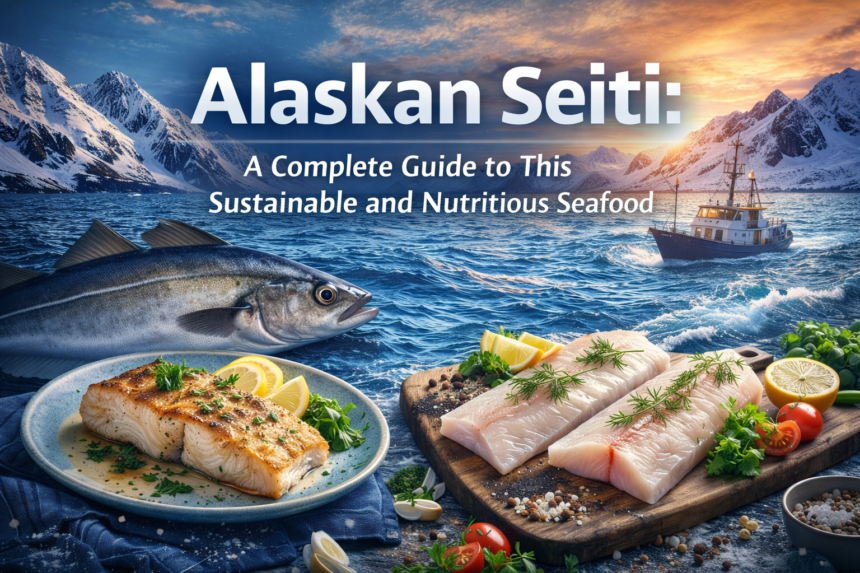
Alaskan Seiti: A Complete Guide to This Sustainable and Nutritious Seafood
Seafood lovers are always searching for healthy, sustainable, and delicious options, and Alaskan seiti has quickly gained attention as one of the most promising choices. Harvested from the cold, clean waters of Alaska, this fish is valued for its mild flavor, impressive nutritional profile, and environmentally responsible sourcing. As global demand for sustainable seafood increases, Alaskan seiti stands out as a versatile ingredient used in many dishes across the world.
- Alaskan Seiti: A Complete Guide to This Sustainable and Nutritious Seafood
- What Is Alaskan Seiti?
- The Origin and Habitat of Alaskan Seiti
- Nutritional Benefits of Alaskan Seiti
- Why Alaskan Seiti Is Considered Sustainable
- Culinary Uses of Alaskan Seiti
- Comparing Alaskan Seiti to Other Whitefish
- Tips for Buying and Storing Alaskan Seiti
- The Growing Popularity of Alaskan Seiti
- The Role of Alaska’s Fisheries in the Global Seafood Market
Whether you are a seafood enthusiast, a home cook, or someone interested in healthier eating habits, understanding what makes this fish unique can help you appreciate why it is gaining popularity. This guide explores everything you need to know—from its origin and nutritional value to cooking techniques and sustainability practices.
What Is Alaskan Seiti?
Alaskan seiti refers to a whitefish commonly harvested from the cold waters surrounding Alaska. It is closely related to species often used in commercial seafood products and is recognized for its mild taste, flaky texture, and adaptability in cooking.
One of the reasons it has become so popular is its balance of quality and affordability. Many restaurants and food manufacturers use it because it provides excellent flavor while remaining accessible to a wide range of consumers.
Unlike stronger-tasting fish varieties, this seafood option has a gentle flavor profile that works well with many seasonings and cooking styles. Because of this versatility, chefs often include it in dishes such as grilled fillets, fish tacos, soups, and baked seafood meals.
The Origin and Habitat of Alaskan Seiti
Cold Northern Waters
The natural habitat of Alaskan seiti lies in the cold and nutrient-rich waters of the North Pacific Ocean. These waters create ideal conditions for marine life, allowing fish species to thrive in a clean and balanced ecosystem.
The region’s strict fishing regulations also help maintain healthy fish populations, ensuring long-term sustainability. Alaska is known for maintaining some of the world’s most carefully managed fisheries.
Responsible Harvesting
Fishing practices in Alaska are carefully monitored to prevent overfishing. Fisheries follow strict quotas, seasonal limits, and environmental regulations to protect ocean ecosystems.
These responsible practices are one of the main reasons seafood from Alaska is trusted worldwide. Consumers increasingly prefer seafood that comes from fisheries committed to sustainability and ecosystem protection.
Nutritional Benefits of Alaskan Seiti
Seafood is often recommended by nutritionists because of its health benefits, and Alaskan seiti is no exception. It offers an excellent balance of nutrients while remaining low in calories and fat.
High-Quality Protein
Protein plays a crucial role in building muscles, repairing tissues, and supporting overall body function. This fish provides a substantial amount of lean protein, making it a great option for individuals who want to maintain a healthy diet.
Unlike red meat, fish protein is easier to digest and contains fewer saturated fats.
Essential Omega-3 Fatty Acids
Omega-3 fatty acids are known for supporting heart health and reducing inflammation. Regular consumption of seafood rich in these nutrients may help lower the risk of cardiovascular diseases.
Including fish like this in your diet can contribute to improved brain function and overall wellness.
Vitamins and Minerals
This seafood option contains several important vitamins and minerals, including:
-
Vitamin B12 for nerve and blood cell health
-
Selenium for immune support
-
Phosphorus for strong bones
-
Potassium for maintaining proper fluid balance
These nutrients make it a valuable addition to a balanced diet.
Why Alaskan Seiti Is Considered Sustainable
Sustainability is becoming a major factor in food choices, especially when it comes to seafood. Alaskan fisheries have earned a reputation for protecting marine resources while still supporting local economies.
Strict Fishery Management
The state of Alaska enforces some of the strictest fishing regulations in the world. These rules include:
-
Catch limits based on scientific research
-
Seasonal fishing restrictions
-
Continuous monitoring of fish populations
Such measures ensure that fish stocks remain healthy for future generations.
Ecosystem Protection
Fishing methods are designed to reduce environmental impact and protect other marine species. By maintaining a balanced ecosystem, fisheries help preserve ocean biodiversity.
This approach benefits not only consumers but also coastal communities that rely on fishing for their livelihoods.
Culinary Uses of Alaskan Seiti
One of the reasons this fish has become widely used in kitchens is its versatility. Its mild taste allows it to pair well with a wide range of ingredients and cooking techniques.
Baking
Baking is one of the simplest and healthiest ways to prepare this fish. A fillet can be seasoned with herbs, lemon, and olive oil before being placed in the oven. The result is a tender and flavorful dish that requires minimal preparation.
Grilling
Grilling enhances the natural flavor of seafood while adding a slightly smoky taste. Light marinades made with garlic, citrus, and herbs complement the fish perfectly.
Pan-Frying
For those who prefer a crisp texture, pan-frying can create a golden crust while keeping the inside moist and flaky.
Soups and Stews
This fish is also a great addition to seafood soups and stews. Its delicate texture absorbs flavors well, making it a perfect ingredient for comforting meals.
Comparing Alaskan Seiti to Other Whitefish
Many consumers wonder how this seafood compares to other whitefish varieties commonly found in markets.
Flavor Profile
Compared to stronger fish species, it has a mild and slightly sweet flavor. This makes it appealing to people who prefer subtle seafood tastes.
Texture
The texture is firm yet flaky, which allows it to hold up well during cooking without falling apart easily.
Affordability
Another advantage is its relatively affordable price compared to premium seafood options. This accessibility helps make nutritious seafood available to more households.
Tips for Buying and Storing Alaskan Seiti
Choosing high-quality seafood ensures the best taste and nutritional value. Here are a few tips to help you select and store it properly.
How to Choose Fresh Fillets
When purchasing fish, look for:
-
Firm and moist flesh
-
A clean, mild ocean scent
-
Bright, natural color
Avoid fillets that appear dry, dull, or have a strong odor.
Proper Storage
If you plan to cook the fish within one or two days, store it in the coldest part of your refrigerator. For longer storage, freezing is the best option.
When frozen correctly, seafood can maintain its quality for several months.
The Growing Popularity of Alaskan Seiti
In recent years, consumers have become more conscious of what they eat and where their food comes from. As a result, sustainable seafood choices are gaining attention.
Restaurants, seafood suppliers, and home cooks are increasingly turning to fish sourced from Alaska because of its reputation for quality and responsible harvesting.
The combination of affordability, nutritional value, and environmental sustainability makes this fish an appealing option for modern diets.
The Role of Alaska’s Fisheries in the Global Seafood Market
Alaska plays an important role in supplying seafood to international markets. The state’s fisheries support thousands of jobs while contributing significantly to the global seafood industry.
By following strict conservation policies, Alaska demonstrates that economic growth and environmental protection can work together. This model has inspired other fisheries around the world to adopt more responsible practices.
Conclusion
Alaskan seiti is more than just another seafood option—it represents a balance of nutrition, sustainability, and culinary versatility. Harvested from the clean waters of Alaska and managed through responsible fishing practices, it provides consumers with a healthy and environmentally friendly food choice.
Its mild flavor, flaky texture, and adaptability in the kitchen make it suitable for a wide range of recipes, from simple home-cooked meals to gourmet restaurant dishes. At the same time, its rich nutritional profile offers valuable health benefits, including lean protein, omega-3 fatty acids, and essential vitamins.
As awareness of sustainable seafood continues to grow, this fish is likely to remain an increasingly popular choice for people seeking both flavor and responsible sourcing. Incorporating it into your diet can be a delicious step toward healthier eating and more sustainable food habits.
FAQs
1. What exactly is Alaskan seiti?
Alaskan seiti is a whitefish harvested from the cold waters of Alaska. It is known for its mild flavor, flaky texture, and versatility in cooking.
2. Is Alaskan seiti healthy to eat?
Yes, it is considered a healthy seafood option because it is rich in lean protein, omega-3 fatty acids, and essential vitamins such as vitamin B12 and selenium.
3. How can Alaskan seiti be cooked?
It can be baked, grilled, pan-fried, or added to soups and stews. Its mild taste allows it to pair well with many herbs, spices, and sauces.
4. Is Alaskan seiti sustainably sourced?
Yes, seafood harvested from Alaska is typically managed under strict regulations that help protect fish populations and marine ecosystems.
5. What does Alaskan seiti taste like?
It has a mild, slightly sweet flavor with a firm yet flaky texture, making it suitable for a variety of seafood dishes.