

Introduction to Switching 2nd
Switching 2nd is a phrase that can carry different meanings depending on the context. In sports, especially baseball, it may relate to the strategic movements and positional changes around second base. In driving, it often refers to shifting into second gear at the right moment for smoother acceleration and better vehicle control. No matter the setting, Switching 2nd represents a transition point — a moment where timing, awareness, and precision matter most.
Understanding this concept is not just about mechanics. It is about recognizing the importance of second-level shifts in performance, whether on the field, behind the wheel, or in structured systems that depend on sequential movement.
In this guide, we will explore the meaning, applications, techniques, and practical insights behind Switching 2nd so you can better understand how to apply it effectively.
Switching 2nd in Baseball: The Role of Second Base
In baseball, second base plays a critical role in defensive strategy. It is located between first and third base and serves as a central pivot point for infield plays.
Why Second Base Matters
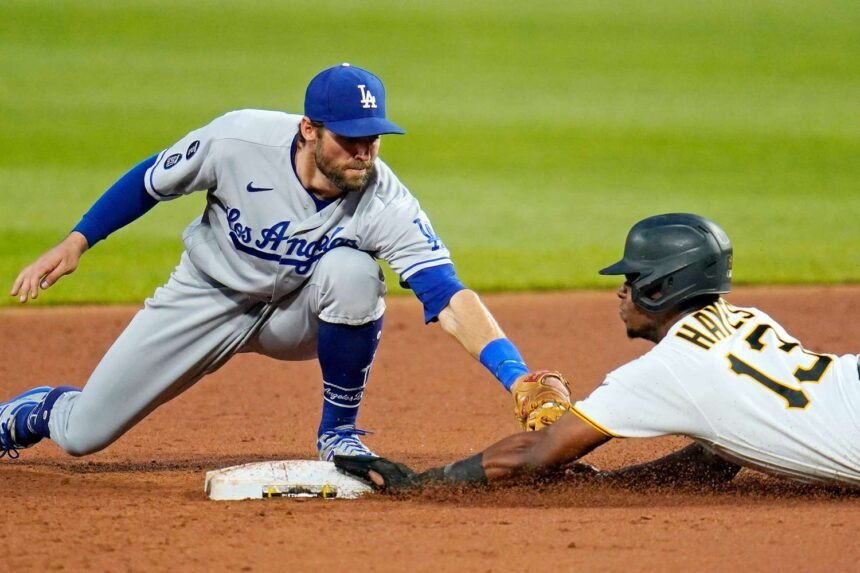
Second base is often involved in:
-
Double plays
-
Stolen base attempts
-
Force outs
-
Relay throws from the outfield
The player primarily responsible for guarding this area is the second baseman. Teams like the New York Yankees and Los Angeles Dodgers have historically relied on strong infield coordination to control this position effectively.
What Switching 2nd Means in Baseball
In baseball strategy, Switching 2nd can refer to:
-
Adjusting defensive positioning depending on the batter
-
Shifting coverage during a steal attempt
-
Rotating fielders during situational plays
-
Executing smooth transitions during a double play
The key to successful Switching 2nd in baseball is timing and communication. The middle infielders must anticipate movement, respond instantly, and coordinate seamlessly.
Key Skills Required
To execute effectively, players must develop:
-
Quick footwork
-
Fast glove-to-hand transfers
-
Accurate short-distance throws
-
Strong communication with the shortstop
When done correctly, this transition can neutralize offensive momentum and shift the game’s rhythm.
Switching 2nd in Driving: Shifting into Second Gear

Another common interpretation of Switching 2nd applies to manual driving. Here, it refers to shifting from first gear into second gear at the appropriate speed and engine rotation.
Why Second Gear Is Important
Second gear is essential for:
-
Smooth acceleration
-
Controlled turns
-
Climbing moderate slopes
-
Driving in moderate traffic conditions
Switching too early may cause engine strain. Switching too late can over-rev the engine. The balance lies in understanding engine feedback and vehicle responsiveness.
Step-by-Step Guide to Switching 2nd in a Manual Car
-
Accelerate in first gear.
-
Watch the RPM gauge (typically 2,000–3,000 RPM for standard driving).
-
Press the clutch fully.
-
Move the gear lever smoothly into second.
-
Release the clutch gradually while applying gentle throttle.
The transition should feel fluid, not jerky. Mastering this shift improves fuel efficiency and prolongs engine life.
Common Mistakes to Avoid
-
Releasing the clutch too quickly
-
Ignoring engine sound cues
-
Downshifting improperly
-
Riding the clutch pedal
Drivers who practice consistently develop muscle memory, making Switching 2nd almost automatic.
The Psychology Behind Switching 2nd
Whether in sports or driving, the concept also has a mental component. Switching 2nd represents moving from an initial phase to a more stable, controlled state.
Transition Awareness
Many people struggle during transitions. The second phase requires:
-
Greater focus
-
Strategic thinking
-
Improved coordination
In baseball, the second baseman reads the play. In driving, the operator listens to the engine. In both cases, awareness is everything.
Decision-Making Speed
Switching 2nd requires split-second judgment. Hesitation can result in:
-
Missed outs
-
Engine stalling
-
Performance breakdown
Training improves reaction time and builds confidence.
Strategic Importance of Switching 2nd in Competitive Sports
Modern sports rely heavily on data and positioning. Defensive shifts are calculated based on analytics. For example, organizations like Major League Baseball have evolved rules and strategies to adapt to changing gameplay patterns.
Switching 2nd in this competitive environment is no longer random. It is strategic. Coaches analyze:
-
Batter tendencies
-
Runner speed
-
Pitch type
-
Game situation
Every movement at second base can influence the inning’s outcome.
Mechanical Efficiency and Switching 2nd in Vehicles
From an automotive engineering perspective, second gear plays a crucial role in torque distribution. Companies like Toyota and Ford Motor Company design transmission systems to optimize gear ratios for smooth power transfer.
Why Second Gear Is Balanced
Second gear:
-
Provides higher speed than first
-
Delivers more torque than third
-
Maintains control during urban driving
Efficient Switching 2nd ensures:
-
Reduced engine wear
-
Better fuel economy
-
Smoother ride quality
Understanding how gear ratios function enhances driving confidence.
Training Techniques to Improve Switching 2nd Skills
For Baseball Players
-
Practice pivot drills
-
Work on quick release throws
-
Improve lateral movement
-
Simulate game-speed double plays
Repetition builds instinct.
For Drivers
-
Practice in low-traffic areas
-
Listen carefully to engine sound
-
Learn RPM thresholds
-
Avoid rushing transitions
Confidence grows with structured practice.
Common Misconceptions About Switching 2nd
-
It is only mechanical.
In reality, it is strategic and situational. -
It is easy and requires no practice.
Proper timing takes repetition. -
It is the same in all contexts.
The concept varies across sports and driving disciplines.
Recognizing these misconceptions helps learners approach it seriously.
The Evolution of Switching 2nd Over Time
In earlier eras, baseball positioning was static. Today, shifting patterns are highly dynamic. Similarly, older manual cars required more effort and coordination than modern transmissions.
Technology has refined but not eliminated the need for skill. Even with advanced systems, awareness remains central to effective transitions.
Why Mastering Switching 2nd Matters
Mastery provides:
-
Improved performance
-
Reduced errors
-
Greater confidence
-
Enhanced control
Whether on the field or the road, this transition phase separates beginners from skilled performers.
Conclusion: The Power of a Smooth Transition
Switching 2nd may seem like a simple phrase, but it represents a critical moment of transition and control. In baseball, it defines defensive success around second base. In driving, it determines smooth acceleration and mechanical efficiency. In broader terms, it symbolizes the shift from initial action to stable performance.
Mastering this concept requires awareness, timing, and consistent practice. When executed properly, it improves coordination, enhances strategy, and builds confidence. Small transitions often make the biggest difference, and understanding how to handle the second phase correctly can transform overall performance.
Frequently Asked Questions (FAQs)
1. What does Switching 2nd mean in baseball?
It refers to strategic movements, defensive shifts, and transitions involving second base, particularly during double plays or steal attempts.
2. When should you shift into second gear while driving?
Typically between 2,000 and 3,000 RPM during normal driving conditions, though it may vary depending on the vehicle.
3. Why is second gear important?
Second gear balances torque and speed, making it essential for smooth acceleration and urban driving control.
4. Is Switching 2nd difficult to learn?
It can be challenging at first, but with regular practice, it becomes natural and automatic.
5. Does technology eliminate the need to master Switching 2nd?
No. Even with advanced systems, understanding timing and control remains important for optimal performance.